

Services
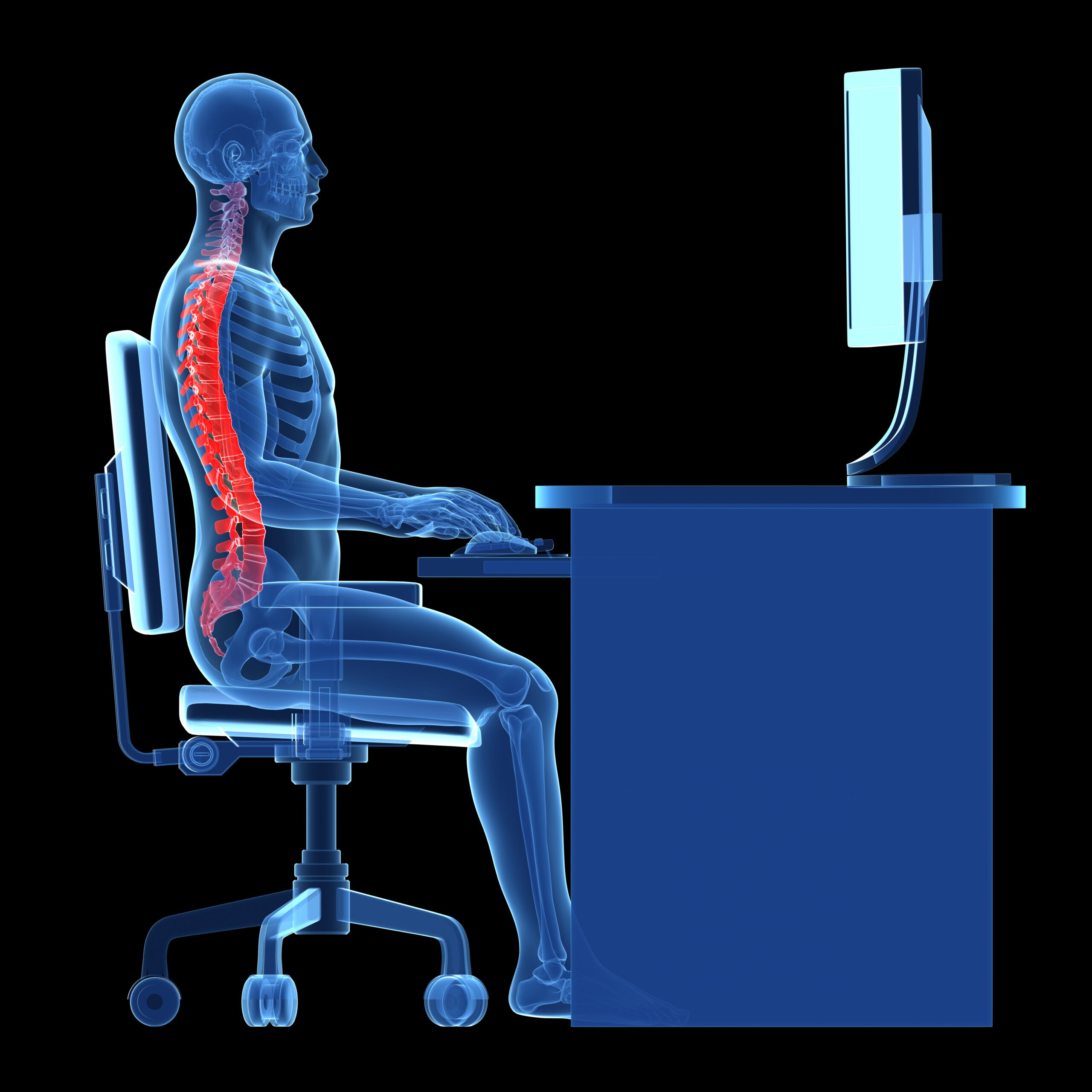
Work Should Not Hurt
Ergonomic
/ˌəːɡəˈnɒmɪk/
Ergonomics is the process of designing or arranging workplaces, products, and systems so that they fit the people who use them. This process helps to lessen muscle fatigue, increase productivity, and reduce the number and severity of work-related musculoskeletal disorders (MSDs). Many people have not heard about the field of ergonomics, and if they have, they may think only of an ergonomic chair, but it is much more than that. Ergonomics applies to all of us all day long. It is the design of anything that involves people, whether it is in the workplace, sports and leisure, or health and safety. From the tools we use in our garage, kitchen, and workplace to the sports equipment we use and the cars we drive. Ergonomics is the science that aims to learn about human abilities and limitations, and then apply this learning to improve people’s interaction with products, systems, and environments, with the goal of improving workspaces and environments to minimize the risk of harm or injury.
You may have noticed new designs of keyboards and mice in the workplace. Standard keyboards and mice often are not a good fit for a hand (especially a large or small hand), and over time, this can cause injury. Designing the keyboard and mouse to fit the hand better is a perfect example of the use of ergonomic design as technology changes.
Why is Ergonomics important
- Work-related MSDs are among the most frequently reported causes of lost or restricted work time.
- According to the Bureau of Labor Statistics (BLS) in 2013, MSD cases accounted for 33% of all worker injury and illness cases.
- The direct costs of MSDs were $1.5 billion for the year 2007. The indirect costs were $1.1 billion for the same year (NIOSH).
- Our population is aging, and we will need to keep up with the ergonomic needs of this population.
- Technology is changing at a rapid pace, requiring the need to apply sound ergonomics to these new tools.
- The younger population is using technology at a much earlier age, and their exposure to technology will be higher than any population to date, meaning we need to reach out to this population to educate them in sound ergonomic and motion practices.
Services include, but are not limited to:
- On-site or remote home and office ergonomic evaluation, including individual-specific measurements and resources for appropriate furniture, chairs, and alternative input devices, specific to your needs.
- Ergonomic evaluation for any non-office type of work work (i.e. manufacturing, transportation, hospital setting and more).
- Ergonomic training – onsite and remote.
- Ergonomic program development.
- Work closely with workers’ compensation insurance to manage cases of workers with injuries and discomfort.
- Work with schools and universities to educate on the low-risk use of technology and setups.